
Categories
1st Time Buyer, Sellers, Buyers, Buying Property In Mississippi, Home Selling Strategies, Buyer Strategie, Seller StrategiesPublished July 4, 2026
How Do You Determine What to Sell Your House For?

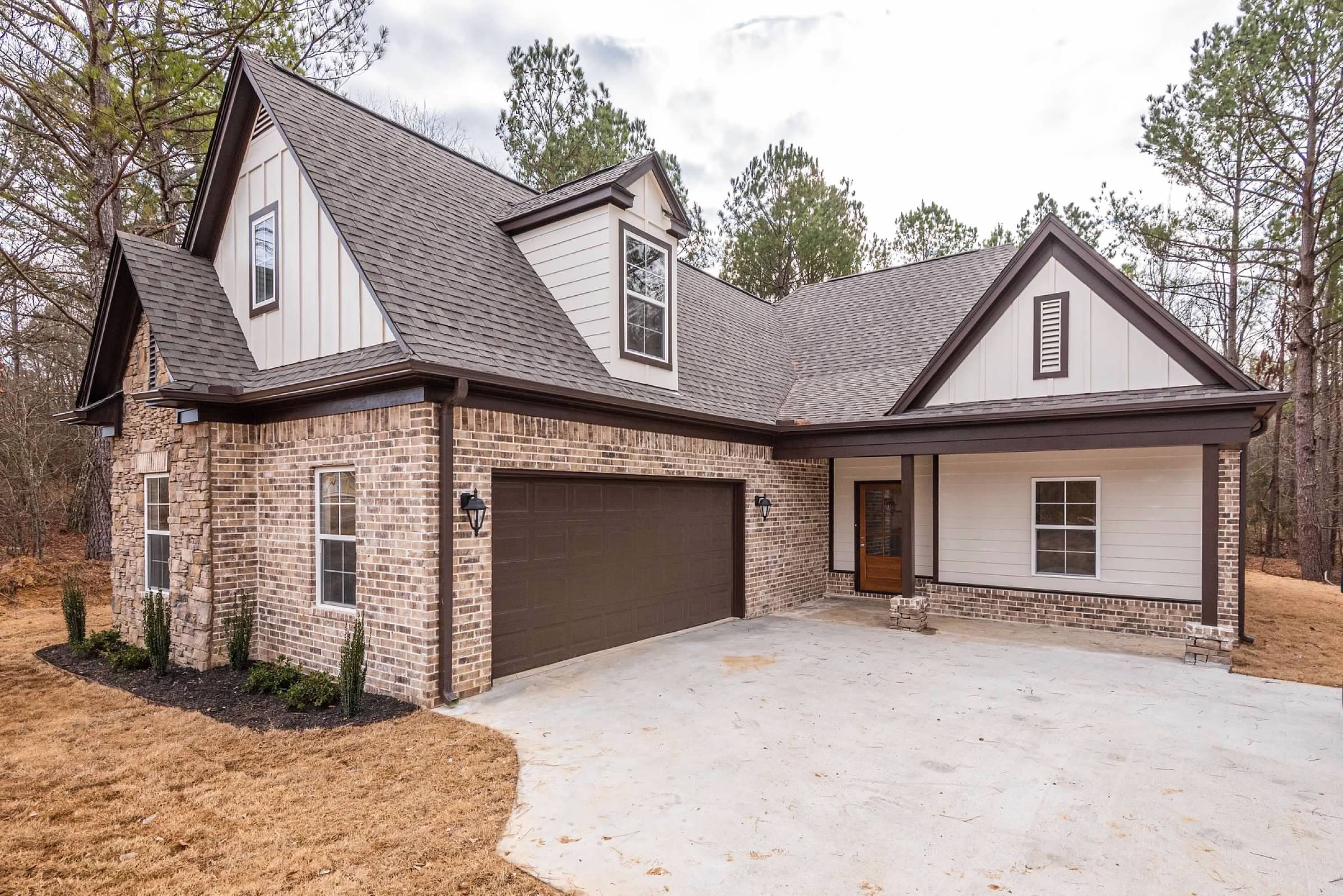
A seller in North Mississippi can lose real money in the first week just by pricing wrong. Set the price too high, and buyers scroll past or assume something is off. Set it too low, and you may leave thousands on the table. So how do you determine what to sell your house for? The short answer is this: you do not pick a number based on what you want to make. You price a home based on what the market is likely to pay right now, in your area, for a home like yours.
That sounds simple, but good pricing is rarely guesswork. It is part market data, part local knowledge, and part strategy.
How do you determine what to sell your house for in a real market?
The best starting point is comparable sales, often called comps. These are recently sold homes that are similar to yours in size, age, condition, location, and features. A three-bedroom home in Como with updated flooring, a fenced yard, and a newer roof should not be measured against a larger renovated home on a different type of lot. Even small differences can shift value more than sellers expect.
What matters most is not the highest price a nearby home was listed for. It is what buyers actually paid for similar homes, and how long those homes took to sell. Closed sales show the market's decision. Pending sales can hint at where the market is moving. Active listings matter too, but more as competition than proof of value.
A smart pricing approach also looks at price per square foot, but only as one clue. It can help create a range, not an exact answer. Homes are not interchangeable boxes. Layout, updates, curb appeal, lot quality, school area, and even road noise can affect what buyers are willing to pay.
What actually affects your home's asking price
Most sellers focus on improvements first, and that makes sense. Kitchens, bathrooms, flooring, paint, roof condition, HVAC age, and overall maintenance all influence value. Buyers compare your home to other options online before they ever step inside. If your home shows clean, well cared for, and move-in ready, you usually have more pricing power.
Condition, though, is only one piece. Timing matters. In a seller's market with limited inventory, homes can support stronger pricing. In a slower market, buyers become more selective and less forgiving. Interest rates matter too. When rates rise, affordability shrinks, and that can soften what buyers are able to offer.
Location always matters, but not just at the city level. One neighborhood may move quickly while another nearby sits longer. A home close to major commuter routes may appeal to some buyers and turn off others. A larger lot may boost value in one area and matter less in another. Real estate is local in a very literal way.
Then there is presentation. Two homes with similar features can perform very differently depending on photos, staging, cleanliness, and how well the listing is marketed. That does not mean marketing can fix overpricing. It cannot. But strong presentation can help the right price attract faster attention and stronger offers.
Why online estimates are only a starting point
Many homeowners begin with an online home value tool. That is understandable. It is fast, easy, and gives a number that feels concrete. The problem is that automated estimates often miss the details that buyers notice immediately. They may not know your home has a dated kitchen, a brand-new roof, storm damage history, or a premium lot.
These tools also struggle in smaller towns and less uniform neighborhoods where properties vary more from one street to the next. In parts of North Mississippi, that can make a big difference. If fewer recent sales exist or homes differ widely in age, acreage, and updates, an automated estimate can be off by more than a seller expects.
Use online estimates as a rough reference point, not a pricing decision.
The price you want and the price the market supports
This is where honesty matters. Sellers often carry a number in their heads based on their mortgage payoff, the cost of their next move, or the amount they put into upgrades. Those numbers may be meaningful to you, but buyers do not price your home based on your needs. They price it against their alternatives.
That can be frustrating, especially if you have invested time and money into the property. Some improvements help value. Some mostly help marketability. A remodeled bathroom may add appeal. A highly customized feature you love may not return what it cost. The market decides what counts and by how much.
This is also why overpricing can backfire. A home that starts too high often gets fewer showings, fewer offers, and more days on market. After a while, buyers notice the stale listing and may wonder what is wrong with it. Price reductions later can help, but the strongest buyer interest usually comes early.
How agents price homes without guessing
A good pricing strategy combines data with firsthand market experience. An agent will usually review recent sold homes, current competition, expired listings, and pending sales. They will adjust for square footage, upgrades, lot size, age, and condition. They will also look at what buyers in your price bracket expect right now.
That last point matters more than many sellers realize. At one price level, buyers may tolerate cosmetic updates. At a higher level, they may expect turnkey condition, premium finishes, and stronger curb appeal. If your home is priced into a category where it does not fully compete, buyers may pass.
Agents also think about search behavior. If comparable value points to around $304,000, pricing at $299,900 may attract a wider pool of buyers than pricing at $310,000. A small shift can affect how many people even see your home in their search results.
At Sweet Home Realty Group, that pricing conversation is meant to be clear and candid. Sellers do not need inflated promises. They need a strategy that gives them the best chance to sell with confidence and as little stress as possible.
Should you price high to leave room to negotiate?
Sometimes, but not blindly.
There is a difference between pricing slightly above likely market value to test demand and pricing so high that buyers never engage. In a fast-moving market with limited inventory, a slightly ambitious price may still bring strong traffic. In a balanced or slower market, that same approach can cost you momentum.
Negotiation room only helps if buyers show up in the first place. If your asking price pushes your home out of the realistic range for your condition or area, buyers may not bother making a lower offer. They may just move on.
A better approach is to price where the market will respond, then let competition work in your favor if demand is strong. That creates leverage. Silence does not.
Signs your home is priced right after it hits the market
You usually know fairly quickly whether the market agrees with your price. Strong online views, saved searches, showing activity, and early interest are good signs. Multiple showings in the first several days often mean you are in the right range. Offers, especially more than one, are the clearest signal.
If the home gets attention online but very few showings, the price may be too high for the photos, condition, or buyer expectations. If there are showings but no offers, buyers may like the home but not the value. If there is almost no activity at all, the market may be rejecting the price outright.
The key is to respond early. The longer a home sits, the harder it can be to regain urgency.
How to determine what to sell your house for without second-guessing every number
Start with the facts. Look at recent comparable sales, not just active listings. Be honest about your home's condition compared with nearby competition. Think about your market timing, your likely buyer pool, and what similar homes are doing right now. Then price with a strategy, not just a hope.
If you are torn between two price points, ask a more useful question: which price gives me the best chance of attracting serious buyers quickly while still protecting my bottom line? That usually leads to a better decision than aiming for the highest number you can imagine.
Pricing a home is not about winning an argument with the market. It is about meeting the market well enough to create interest, protect value, and put yourself in a strong position when offers come in.
The right asking price should make buyers stop, schedule a showing, and feel like they need to act before someone else does.

Saira Khan
Broker | Owner | Saira Khan | Sweet Home Realty Group
or another way