
Categories
Sellers, Seller Strategies, Home Selling StrategiesPublished July 6, 2026
What Are the Main Selling Points of a House?

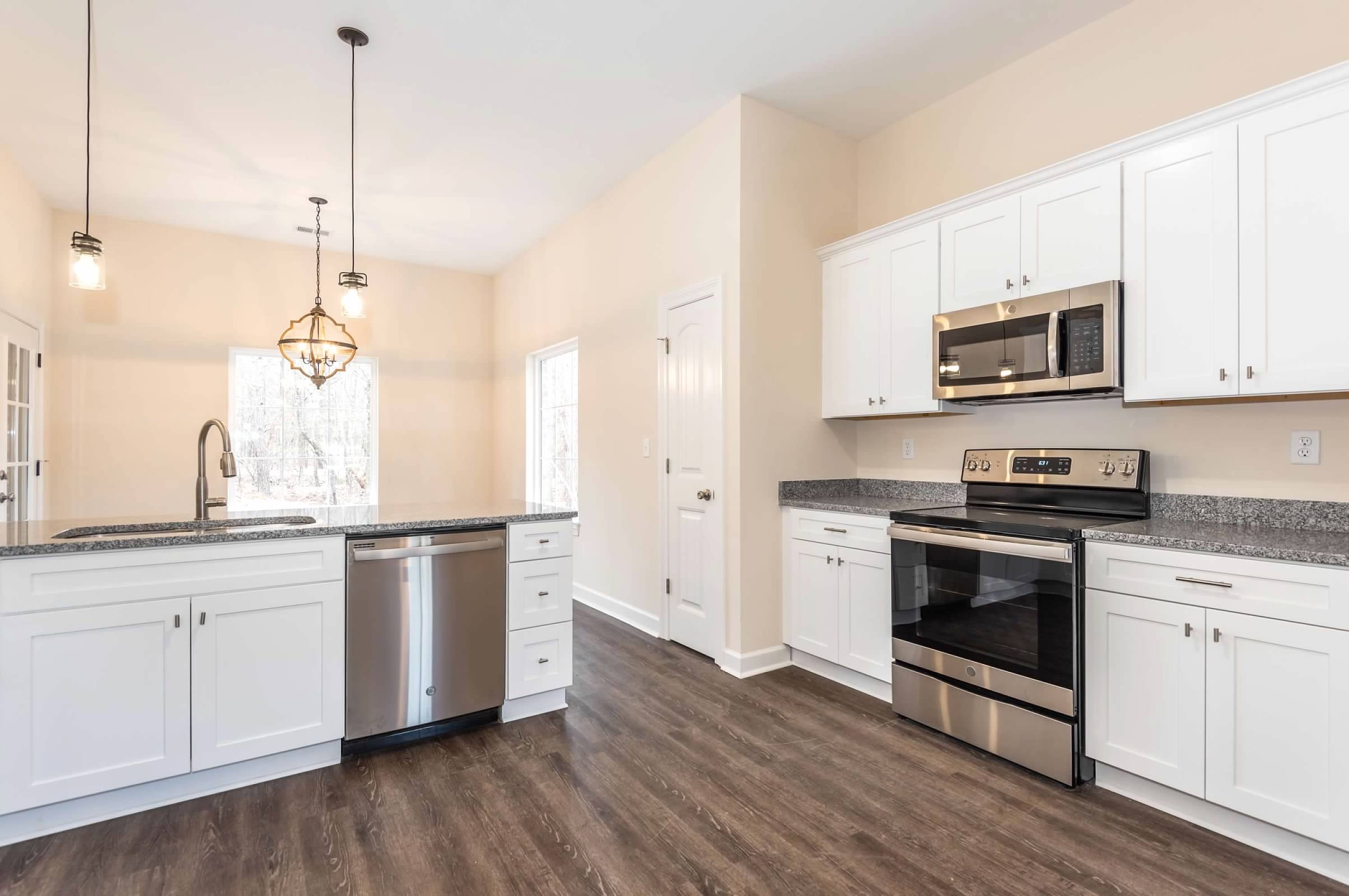
What are the main selling points of a house?
The main selling points of a house usually fall into a few core categories: location, layout, condition, upgrades, storage, outdoor space, energy efficiency, and overall livability. The exact mix matters because different buyers want different things. A first-time buyer may care most about affordability and move-in readiness, while a growing family may focus on bedroom count, yard space, and school access.
This is where many sellers get tripped up. They assume the best selling point is whatever cost them the most money. Sometimes that is true. A renovated kitchen can absolutely carry a listing. But sometimes the feature that gets buyers emotionally invested is a split-bedroom floor plan, a quiet street, or a large laundry room that makes daily life easier.
Location still does a lot of the heavy lifting
Even in a slower market, location remains one of the strongest reasons buyers choose one house over another. That does not just mean the city name. Buyers pay attention to commute times, traffic patterns, neighborhood feel, nearby schools, shopping access, and whether the area feels established, quiet, convenient, or up-and-coming.
In North Mississippi markets, for example, some buyers care deeply about quick access to work, while others want more space and a less crowded setting. Neither preference is wrong. The selling point is knowing how your location fits the buyer most likely to want your property.
A home on a corner lot might appeal to one person and be a drawback for another. A house near a busy road may need stronger pricing, but a home close to parks, restaurants, or local amenities can gain an edge quickly. Location is powerful, but it always works together with price and condition.
A floor plan that makes sense sells faster
Square footage matters, but layout often matters more. Buyers are not only measuring how big the home is. They are picturing how they will live in it.
An open kitchen and living area tends to attract buyers because it feels connected and usable. A split-bedroom layout gives privacy. A dedicated home office, flex room, or bonus room can make a house feel more adaptable without changing the actual square footage. Good flow between rooms also makes a home feel larger than it is.
On the other hand, awkward layouts can soften buyer interest, even in a well-maintained home. If a bedroom is only accessible through another bedroom, or if the dining room placement interrupts the main living space, buyers may hesitate. That does not make the house unsellable. It just means the marketing needs to highlight what does work well.
Bedrooms and bathrooms matter, but function matters more
Buyers notice the number of bedrooms and bathrooms right away because these are easy comparison points. Still, the real value comes from usability. A three-bedroom home with generous room sizes and a practical bathroom setup may show better than a four-bedroom home with tiny rooms and limited closet space.
Primary suite privacy, double vanities, and a guest-friendly bath layout can all be meaningful selling points. These are the details that make everyday routines feel easier.
Condition and maintenance build buyer confidence
One of the biggest selling points of any house is simple: it feels cared for. Buyers may forgive dated finishes more easily than they forgive signs of neglect.
Cleanliness, fresh paint, working systems, solid roofing, and visible upkeep all help a buyer feel safe making an offer. If the HVAC has been serviced, the water heater is newer, or the seller has maintained the home consistently, those details matter. They reduce the fear of expensive surprises after closing.
This is especially important because buyers are already stretching budgets in many cases. A move-in ready home often stands out because it feels less risky. That does not mean every seller must complete major renovations. It means deferred maintenance should be taken seriously, and repairs that affect first impressions should not be ignored.
Updated kitchens and bathrooms still carry weight
If there is one area where upgrades often pay off in buyer attention, it is the kitchen. Buyers spend a lot of time there mentally, even before they ever move in. Updated cabinets, solid countertops, modern lighting, and functional workspace can make a house feel current and appealing.
Bathrooms matter too, especially when they are clean, bright, and easy to maintain. New tile, updated fixtures, and fresh vanities can help, but even small improvements can make a dated bathroom feel much better.
The trade-off is cost. Not every full remodel returns dollar for dollar. In many cases, thoughtful updates and strong presentation do more than expensive overhauls done right before listing.
Natural light, storage, and comfort are underrated selling points
Some features are easy to overlook because sellers live with them every day. Buyers do not. They notice them fast.
Natural light is one of those features. Bright rooms photograph better, show better, and feel more inviting. Large windows, good exposure, and open sightlines can give a house a major advantage.
Storage is another. Walk-in closets, pantry space, attic storage, garage organization, and built-in cabinetry make a home feel practical. Buyers are often trying to solve for everyday clutter, and storage helps them believe the house will work long term.
Comfort features also matter more than many people expect. Ceiling fans, shade trees, covered patios, a mudroom, a usable laundry area, and decent bedroom separation can all become real selling points. They may not sound flashy, but they support daily life, and buyers respond to that.
Outdoor space adds value when it feels usable
A yard is not automatically a selling point unless buyers can picture enjoying it. A large lot can be attractive, but so can a smaller yard that is well maintained and easy to care for.
Fenced backyards often appeal to buyers with kids or pets. Covered porches and patios create an extra living area. Mature landscaping can make the home feel established and welcoming. Even simple improvements like cleaned-up flower beds, trimmed shrubs, and fresh mulch can strengthen curb appeal in a big way.
If the property includes extras like a workshop, detached garage, pool, or room for gardening, those features can help the home stand apart. Still, every extra comes with a trade-off. A pool may excite one buyer and worry another because of maintenance and insurance costs. That is why the right marketing angle matters.
Energy efficiency and lower upkeep are becoming bigger factors
Buyers are paying closer attention to monthly costs. That makes energy-efficient windows, insulation, newer HVAC systems, smart thermostats, and updated appliances more attractive than they used to be.
These features may not create the same emotional reaction as a pretty kitchen, but they can support stronger interest once buyers start comparing homes seriously. Lower utility bills and fewer immediate replacement costs help buyers feel financially comfortable.
The same goes for durable materials and lower-maintenance finishes. If a home has a metal roof, easy-care flooring, or newer exterior materials, those points should not be overlooked. Practical value helps buyers justify the purchase.
The best selling point is the one your likely buyer wants most
This is the part that matters most. There is no single answer to what are the main selling points of a house because every home has a different likely buyer. A starter home, a family home, an investment property, and a downsizing option should not all be marketed the same way.
That is where honest positioning makes a difference. Instead of trying to sell a home as perfect for everyone, it is usually smarter to highlight the features that matter most to the buyer who is most likely to make an offer. For one property, that may be updated systems and easy maintenance. For another, it may be lot size, privacy, or proximity to town.
At Sweet Home Realty Group, that is often where good results begin - not with hype, but with a clear read on what buyers in the market are actually responding to.
How sellers can bring those points forward
The right features only help if buyers can see them. That means presentation matters. Strong listing photos, a clean and uncluttered showing condition, accurate pricing, and smart marketing all work together to make selling points feel obvious.
It also helps to name the benefits clearly. Instead of simply saying a home has a large backyard, show how it works for entertaining, pets, play, or future projects. Instead of just mentioning updated windows, connect that feature to comfort and efficiency. Buyers do not always translate features into value on their own.
A house does not need every popular feature to sell well. It needs the right story, the right audience, and a realistic strategy. When you understand what your home genuinely offers and present it with care, buyers tend to notice the same things you loved about it from the start.
The strongest selling points are usually already there. The real job is knowing which ones deserve the spotlight.
A seller can spend weeks worrying about paint colors and countertop clutter, then get an offer because the buyer fell in love with the backyard, the natural light, or the school commute. If you are asking what are the main selling points of a house, the honest answer is this: buyers rarely respond to just one feature. They respond to the full picture of how a home will fit their life.
That is why the strongest selling points are not always the most expensive upgrades. A house can win buyers over with function, comfort, location, condition, and a feeling that it has been well cared for. When those strengths are clear from the listing photos, the showing, and the pricing strategy, a home is much easier to market with confidence.

Saira Khan
Broker | Owner | Saira Khan | Sweet Home Realty Group
or another way